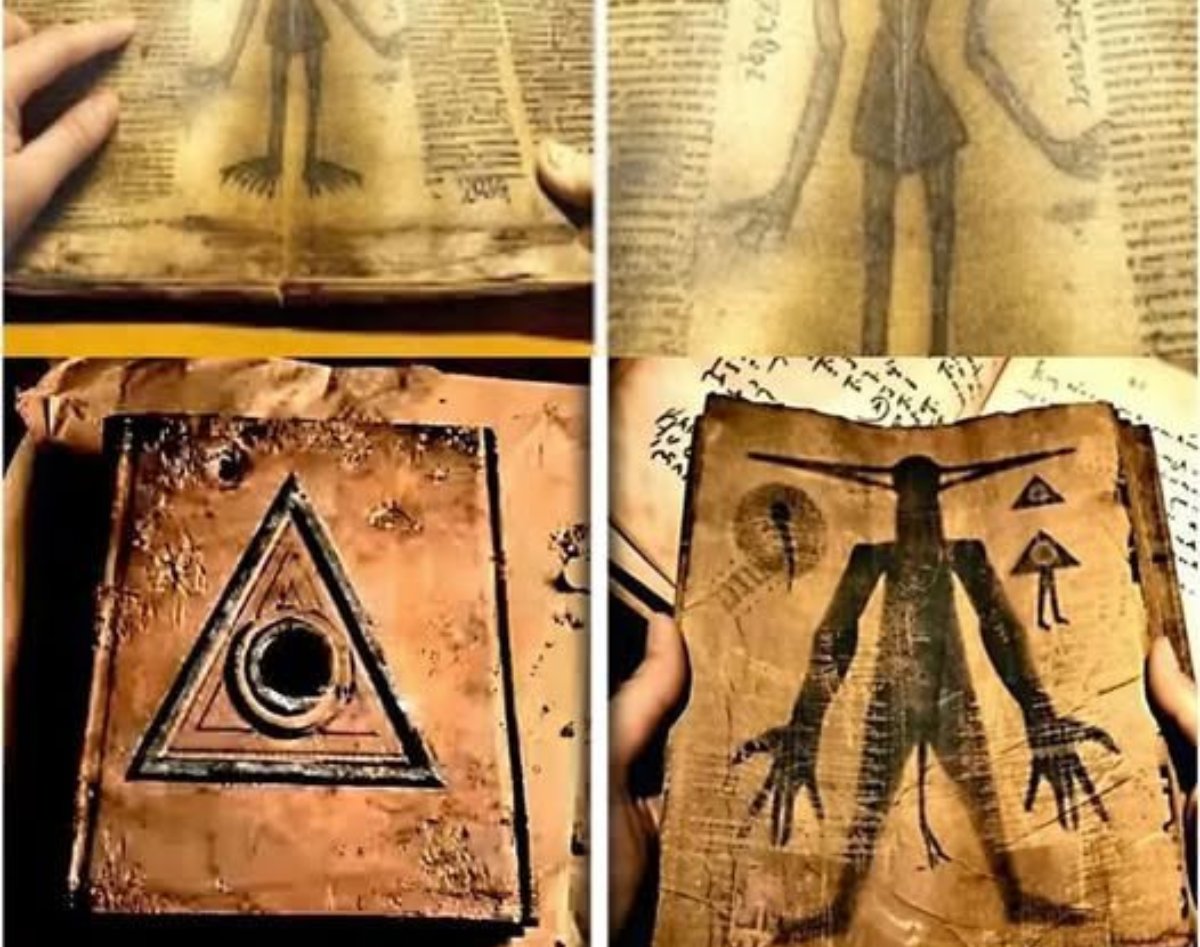
For centuries, the deserts of Egypt have concealed countless archaeological treasures beneath their sands. Temples, tombs, and forgotten libraries continue to reveal fragments of civilizations that flourished thousands of years ago. Among the many legends surrounding these discoveries is the story of an ancient manuscript said to contain unsettling reflections on humanity’s future and purpose.
According to popular stories circulating online, the mysterious text was written nearly 5,000 years ago by unknown priests or scholars who believed civilization would repeatedly rise and collapse through cycles of knowledge and destruction. The manuscript allegedly warns that humanity’s greatest enemy would not be war or disease, but its own endless pursuit of power without wisdom.
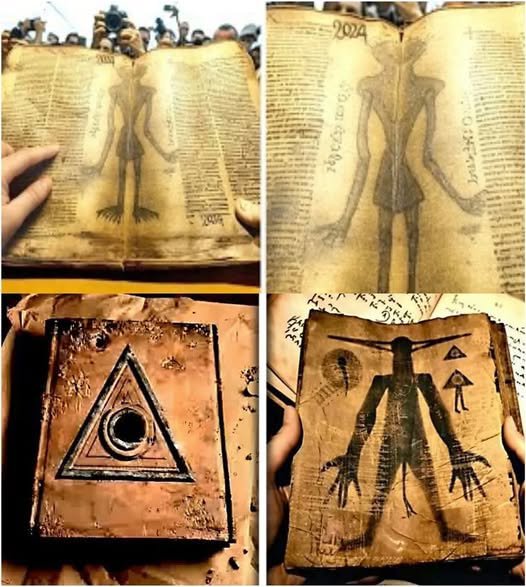
The document is said to describe people becoming increasingly dependent on machines, abandoning nature, and forgetting the values that once united communities. As technology advanced, the writers supposedly feared that humans would gain incredible abilities while losing compassion, patience, and spiritual understanding.
Another section of the legend claims the manuscript speaks of a future in which information spreads faster than truth, causing confusion across entire societies. Instead of seeking knowledge through experience and reflection, people would trust illusions and appearances, making it difficult to distinguish reality from deception.
Some interpretations suggest the text also predicts environmental change. Rivers would shift, seasons would become unpredictable, and humanity would struggle against consequences created by its own actions. The warning emphasizes that the balance between civilization and nature should never be ignored.
Perhaps the most disturbing message attributed to the manuscript is that humanity could eventually forget its own history. Without remembering past mistakes, each generation would repeat the same conflicts, believing them to be new. In this view, true progress comes not from technological advancement alone but from preserving wisdom across generations.
Despite these fascinating claims, historians note that no verified 5,000-year-old Egyptian book containing such prophecies has been authenticated. Ancient Egyptian writings certainly discuss morality, the afterlife, justice, and the responsibilities of rulers, but sensational internet stories often combine real archaeology with fictional speculation.
Even so, the popularity of these legends reflects a timeless question: What happens when knowledge grows faster than wisdom? Whether the story is historical fact or modern myth, it encourages readers to think about humanity’s future, our relationship with technology, and the importance of learning from the past.
In the end, the greatest mystery may not be an ancient hidden manuscript at all, but whether modern civilization is willing to listen to the lessons history has already left behind.